
Why Proper Surface Preparation Makes or Breaks Your Coating
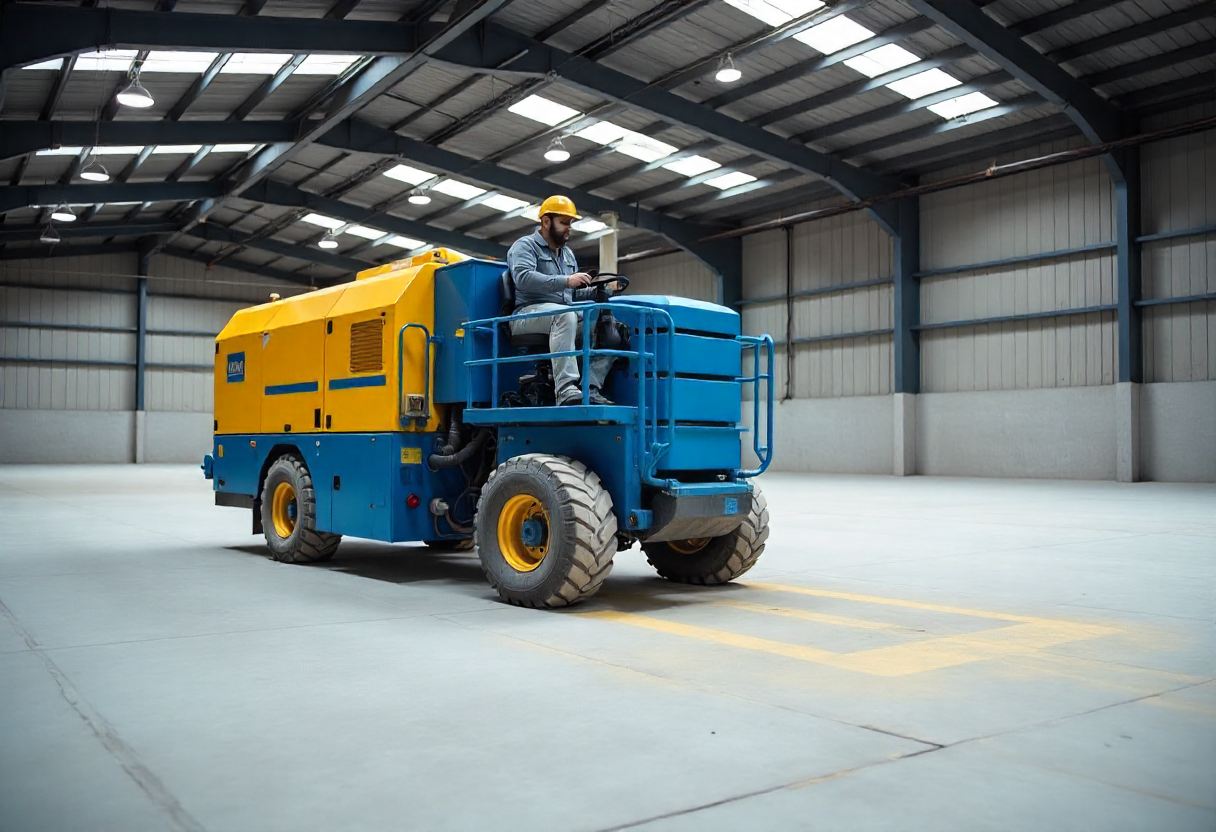
We’ve been preparing concrete surfaces across Ipswich and Southeast Queensland for over a decade. From heritage building restoration in downtown Ipswich requiring sensitive preparation techniques, to aggressive shot blasting for automotive facilities in Swanbank, we’ve seen what works and what fails. Our diamond grinding equipment creates the exact surface profile your coating manufacturer specifies. Our shot blasting systems strip contamination other methods leave behind.
The difference between surface preparation and proper surface preparation is the difference between a coating that fails in months and one that protects your investment for years. Whether you’re a facility manager tired of recoating failed floors, a contractor who needs reliable subcontract grinding, or a property owner preparing for a major renovation, getting the surface prep right is where successful projects start.

Our Surface Grinding Methods & Professional Equipment
Specialized Applications We Handle
Complete Coating Removal
That 10-year-old epoxy that’s peeling? It’s got to come off completely before new coating goes down. Grinding removes failed coatings without damaging the substrate concrete. We’ve stripped everything from thin sealers to 10mm thick industrial systems. The concrete underneath comes out clean and profiled for recoating.
Oil and Contamination Removal
Oil soaks into concrete. Surface cleaning doesn’t remove it – you’ve got to grind away the contaminated concrete. We remove enough material to get below the contamination zone. For that automotive workshop in Karalee with 20 years of oil drips, we ground 5mm deep across the entire floor, exposing fresh concrete that coating could bond to.
Uneven Surface Correction
Concrete doesn’t always cure flat. High spots, low spots, curled edges – grinding levels them out. Our equipment removes high areas and feathers transitions so you don’t have thick and thin coating zones. We recently leveled a 15-year-old warehouse floor that had settled unevenly. After grinding, the floor was within 3mm across 50 meters.
Joint Preparation for Repairs
Expansion joints collect debris and old sealant. Before resealing, those joints need cleaning. Our detail grinders remove failed sealant and profile the joint edges for new material adhesion. We’ve prepared hundreds of meters of expansion joints across Ipswich industrial facilities.
Our Quality Control Process
Pre-Work Assessment: Evaluates concrete condition, contaminants, strength, and existing coatings to determine the right prep method.
Method Selection: Matches surface preparation techniques—grinding, shot blasting, or progressive approaches—to the floor’s specific needs.
Progressive Checks: Quality verified during work, not just at the end, to ensure profile depth and cleanliness meet specifications.
Final Verification: Confirms surface readiness before coating contractors arrive, including profile, cleanliness, and moisture checks.
Documentation: Provides detailed records of measurements, photos, and test results to support coating warranties and proof of proper preparation.


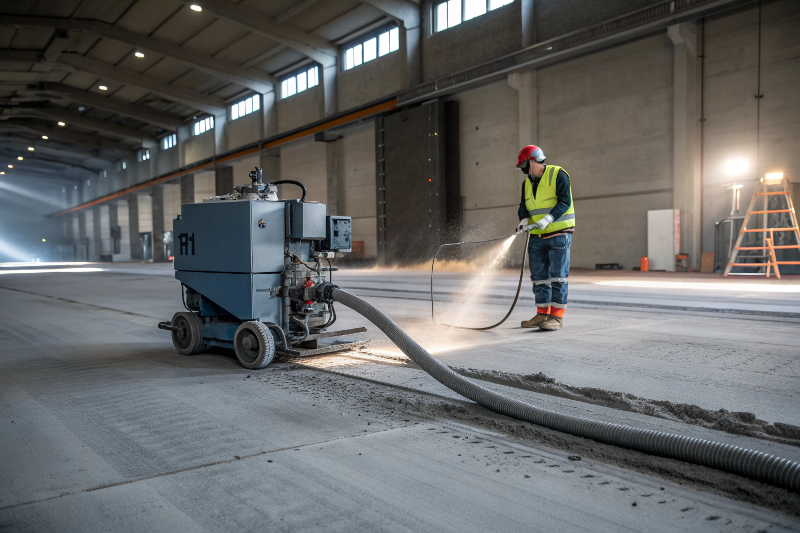
Surface Profile & Quality Standards We Follow
ICRI Surface Profile Classifications: Follows the nine official CSP levels (CSP 1–9) to match each coating’s required texture, ensuring correct surface preparation.
ASTM Testing Methods: Uses standardized testing (ASTM D4417, D4259, D4541) to measure surface profile depth, cleanliness, and coating adhesion for reliable, professional results.
Profile Measurement & Verification: Employs replica tape and digital gauges to confirm precise texture and profile depth before coating application.
Quality Documentation: Provides full photographic and measurement records, verifying preparation quality and supporting coating warranty requirements.
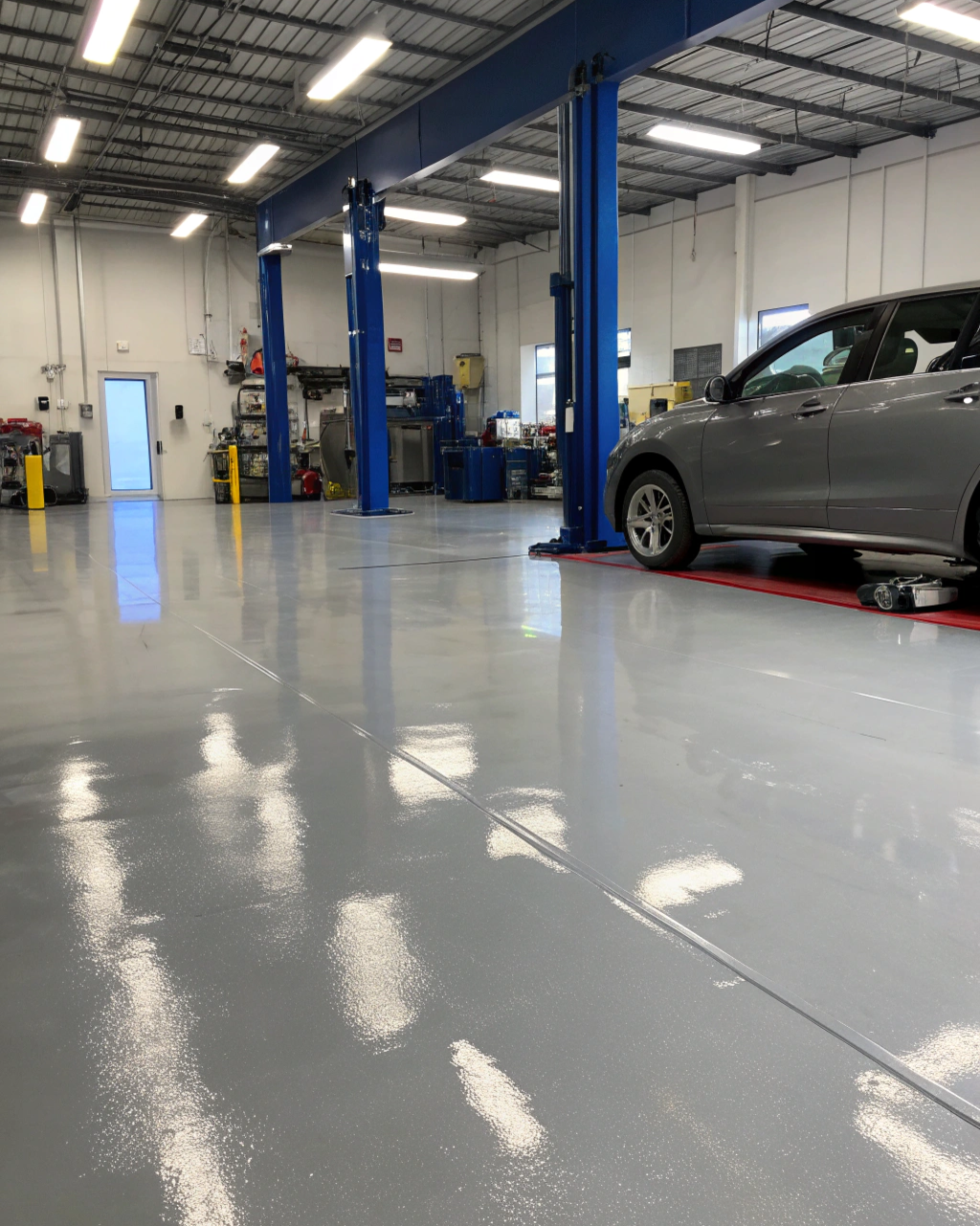
Industries We Serve Across Ipswich
Manufacturing Facilities: Prepares durable floors to handle forklifts, chemicals, and heavy machinery using methods suited for both clean rooms and industrial zones.
Warehouses & Distribution Centers: Restores large-scale floors (1,000–20,000 sqm) to ensure long-lasting coatings that withstand constant traffic.
Commercial Renovations: Works with contractors to prep floors in retail, office, and showroom spaces, meeting tight schedules without sacrificing quality.
Automotive Facilities: Removes oil and contaminants to prepare chemically resistant flooring for workshops, dealerships, and detailing centers.
Food Processing Plants: Delivers surface prep compliant with food safety regulations, using strict dust and contamination control methods.
Heritage Restorations: Uses gentle, controlled grinding to preserve original concrete in historic Ipswich buildings during restoration projects.
Why Choose Us for Surface grinding and shot blasting
Get Your Surface Preparation Quote
Surface grinding and shot blasting in Ipswich requires equipment, expertise, and experience. Whether you’re preparing for new coatings, removing failed systems, or restoring contaminated concrete, proper preparation determines how long your investment lasts.
We’ll assess your concrete, recommend appropriate preparation methods, and provide detailed quotes based on your actual requirements. No guessing about what it’ll cost or how long it’ll take.
Call us for professional concrete surface preparation in Ipswich and Southeast Queensland. Let’s prepare your surfaces right the first time.
FAQs About About Surface Grinding and Shot Blasting
What's the difference between grinding and shot blasting?
Grinding uses diamond tools that rotate against concrete, removing material through abrasion. Shot blasting throws steel media at high velocity, removing material through impact. Grinding gives you more control over profile depth and works better for selective removal. Shot blasting is faster for large areas and creates deeper anchor profiles. We choose based on what your surface needs and what coating you’re applying.
How long does concrete surface preparation take?
A 500 square meter warehouse floor typically takes 2-3 days for complete grinding preparation. Shot blasting the same area might take 1-2 days. But that’s just equipment time. Add assessment, setup, testing, and cleanup – most projects run 3-5 days total. Contaminated surfaces take longer. Multiple coating removal adds time. We give realistic timelines during quoting based on your actual surface condition.
Can you prepare floors while our facility is operating?
Sometimes yes, sometimes no. Wet grinding with dust control lets us work in occupied spaces – we’ve ground floors in operating medical facilities. But shot blasting is loud and creates vibration. Heavy equipment makes noise. If you can section off areas, we can work while you operate in other zones. Night and weekend work is another option. We’ll assess your facility and recommend realistic options during site visits.
Will grinding remove oil stains from my concrete?
Surface grinding removes contaminated concrete – it doesn’t just clean the surface. Oil soaks into concrete pores. We grind deep enough to remove the contaminated material, exposing clean concrete underneath. For automotive shops with 20 years of oil drips, we might remove 5-8mm of concrete. For lighter contamination, 2-3mm might be enough. We assess contamination depth and grind accordingly.
How much does surface preparation cost in Ipswich?
Small residential garages (50-100 square meters) typically run $15-25 per square meter for basic grinding. Commercial projects (500+ square meters) drop to $8-15 per square meter due to efficiency. Shot blasting large warehouses might be $6-12 per square meter. But every project is different. Contamination, access, coating removal, profile requirements – all affect pricing. We provide detailed quotes after assessing your actual surface.
Do I need to remove my old epoxy coating before recoating?
If the old coating is failing – peeling, delaminating, blistering – yes, it’s got to come off completely. You can’t coat over a coating that’s not stuck down. If the old coating is well-bonded but just worn through in traffic areas, sometimes we can profile it and recoat. We test adhesion and make recommendations based on actual coating condition, not guessing.
