
Professional Concrete Overlays & Toppings Solutions in Ipswich
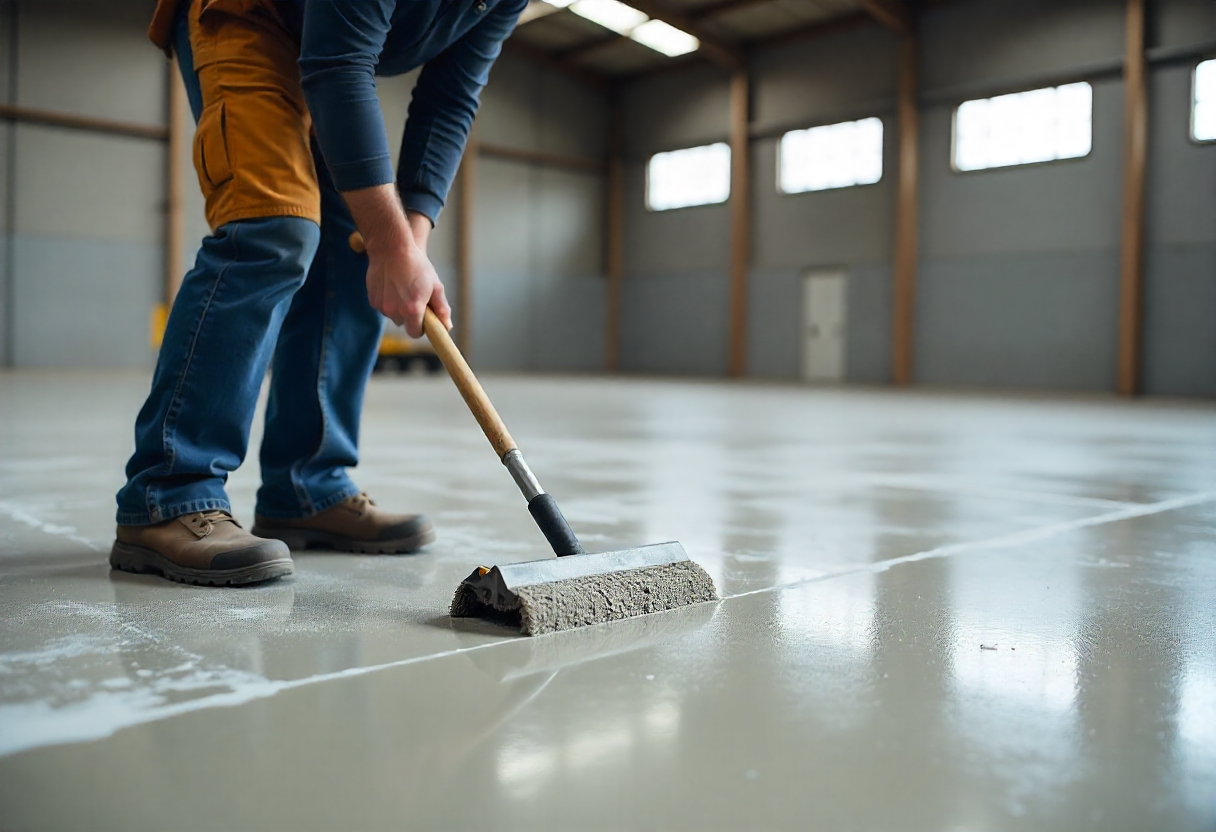
If you’re dealing with damaged, worn, or just plain ugly concrete surfaces anywhere in Ipswich, you’re probably thinking about your options right now. Maybe you’ve got a driveway that’s seen better days. Or a garage floor that’s embarrassing to look at. Could be a commercial space where the floor’s actively costing you customers because it looks so rough. Whatever your situation is, there’s a good chance concrete overlays and toppings can fix it without the massive disruption and expense of starting from scratch.
So whether you’re a homeowner tired of looking at cracked concrete, a business owner who needs a professional-looking space, or a facility manager dealing with industrial wear and tear, let’s talk about what concrete overlays and toppings can actually do for you. No sales pitch. Just the real story about what works, what doesn’t, and whether this solution makes sense for your specific situation.

Types of Overlay & Topping Systems We Use
Where Concrete Overlays & Toppings Work Best in Ipswich
Industrial Facilities: Perfect for factories and warehouses in areas like Swanbank and Redbank that can’t afford downtime. Overlays handle heavy traffic, chemicals, and machinery while allowing work to continue during installation.
Warehouses: Withstand constant static and dynamic loads, prevent cracking and dusting, and resist oil and chemical damage — reducing maintenance time and improving safety.
Retail Spaces: Enhance visual appeal with decorative finishes that match branding and style, transforming dull, cracked floors into clean, modern surfaces that attract customers.
Parking Structures: Durable systems that handle vehicle wear, oil, weather, and UV exposure while improving slip resistance, drainage, and functionality.
Garage Floors: Create clean, professional, and easy-to-maintain surfaces that resist staining, dust, and wear — with optional anti-slip textures for safety.
Driveways: Add curb appeal and durability with decorative overlays that resist stains, cracking, and thermal movement while complementing your home’s look.

Why Overlays & Toppings Outperform Standard Concrete
• Superior Durability: Overlay systems form a denser, stronger composite surface that resists cracking, dusting, and wear far better than regular concrete — lasting for years even in high-traffic areas.
• Chemical Resistance: Unlike standard concrete, overlays repel acids, oils, and solvents, preventing stains and damage. Perfect for garages, workshops, and industrial floors.
• Abrasion Resistance: Engineered to withstand constant foot and vehicle traffic, overlays maintain a smooth, clean surface without rutting or surface degradation.
• Thermal Flexibility: Designed for Queensland’s heat, polymer-modified overlays expand and contract without cracking — and lighter colors help reflect heat for cooler surfaces.
• Waterproof Protection: Fully waterproof systems prevent moisture from penetrating and damaging the underlying concrete, extending the life of the slab.
• Aesthetic Versatility: Available in endless colors, textures, and finishes — overlays can transform dull concrete into a modern, professional, or decorative feature that enhances any space.

The Real Cost Comparison
Replacing concrete isn’t just expensive — it’s time-consuming and disruptive. Concrete overlays and toppings offer a smarter, faster, and more cost-effective alternative.
Concrete Replacement Costs: Full removal and replacement typically cost $100–$150 per m², or $4,000–$6,000 for a standard two-car garage. Add downtime, curing time (up to 28 days), and lost use or revenue — and the true cost climbs even higher.
Overlay Costs: Professional overlay systems range from $50–$100 per m², cutting upfront costs by 30–50%. Installation takes just 1–3 days, with light traffic possible in 24 hours — minimizing downtime for homes and businesses.
Long-Term ROI: Overlays last 15–20 years with minimal maintenance, resist stains, and clean easily. Light-colored systems can even lower cooling costs by reflecting heat, while a modern, finished look enhances property value and curb appeal.
Why Choose Us for Your Ipswich Concrete Overlay Project
Local Experience: Years of work on Ipswich properties give us knowledge of soil conditions, contractors, building inspectors, and climate-specific systems—ensuring informed, reliable solutions.
Custom Solutions: Each project is assessed individually. We recommend the overlay system that best fits your needs, budget, and site conditions rather than a one-size-fits-all approach.
Quality Materials: We use proven, manufacturer-backed overlay systems with reliable performance data, avoiding cheap materials that fail prematurely.
Skilled Installation Teams: Our trained crews understand the chemistry, techniques, and timing of overlays, producing consistent, high-quality results.
Comprehensive Service: We manage the project from assessment to installation and maintenance, providing a single point of contact and accountability for the entire process.
Proven Track Record: Our expertise and attention to detail minimize problems, maximize durability, and ensure long-lasting, functional, and visually appealing surfaces.
FAQs About Concrete Overlays & Toppings
How Long Will an Overlay System Last?
Properly installed overlay systems typically last 15-20 years or more in residential applications. Commercial and industrial installations might see 10-15 years depending on the traffic and use. These timeframes assume reasonable maintenance and normal wear.
The key word there is “properly installed.” An overlay system with poor substrate preparation might fail in months. A system installed in the wrong environmental conditions might not cure correctly. A system mismatched to the application might wear prematurely.
This is why installation quality matters so much. The material itself will last – it’s all about how it’s applied.
Can Any Concrete Be Overlaid?
No, not every concrete surface is a good candidate for overlay. The substrate needs to be structurally sound. It can’t be actively deteriorating or moving significantly. It needs adequate bond strength to hold the overlay.
We can overlay concrete with surface damage – that’s what the system is designed to fix. But if the underlying slab has fundamental problems, those need to be addressed first.
During our assessment, we determine if overlay is viable or if you need to consider other solutions. We’d rather tell you upfront that it won’t work than install something that’ll fail.
What's the Difference Between Overlays and Resurfacing?
These terms get used interchangeably, but technically resurfacing is a broader category that includes overlays. Resurfacing means applying any new surface to existing concrete – could be thin coatings, thick toppings, tile, whatever.
Overlays specifically refer to cementitious or polymer-modified systems that bond to and become part of the existing concrete structure. They’re typically 3-25mm thick.
For practical purposes, if someone’s talking about concrete resurfacing in the context of damaged floors, they’re usually referring to overlay systems.
Can Overlays Be Applied Over Existing Coatings?
Sometimes, but it’s complicated. It depends what the existing coating is and how well it’s bonded.
If there’s an old coating that’s failing, we remove it before overlaying. A new overlay bonded to a failing coating will just fail along with it.
If there’s a sound coating that’s compatible with our primer systems, we might be able to overlay directly. But we test this carefully before proceeding.
Often the safest approach is to remove old coatings and overlay onto clean concrete. Less risk of compatibility issues or bond failure.
What Maintenance Do Overlay Systems Need?
Basic maintenance for most overlay systems is simple. Regular cleaning with appropriate cleaners. Immediate cleanup of spills. Occasional resealing if the system has a topical sealer.
For commercial applications, we recommend periodic inspections to catch minor damage before it becomes major. Small areas of wear or damage can be patched or recoated.
Avoid harsh chemicals unless the system is specifically rated for them. Don’t use metal shovels or sharp tools that can gouge the surface. Don’t drag heavy equipment with metal parts across decorative finishes.
Follow the maintenance guidelines we provide, and the system will last its expected lifespan.
